
Fridge Microwave Combo for Your Dorm Room: Everything You Need to Know Before You Commit
Fridge Microwave Combo for Your Dorm Room: Everything You Need to Know Before You Commit
Dorm rooms are basically a high-stakes game of Tetris.
You have:
- Two people
- Two beds
- Two desks
- Storage bins
- Laundry piles
- Shoes everywhere
All squeezed into about 80 square feet.
And somehow, students are still expected to fit appliances into the mix.
That’s why the fridge microwave combo has become one of the most valuable dorm essentials on campus.
But here’s the important part most students do not realize:
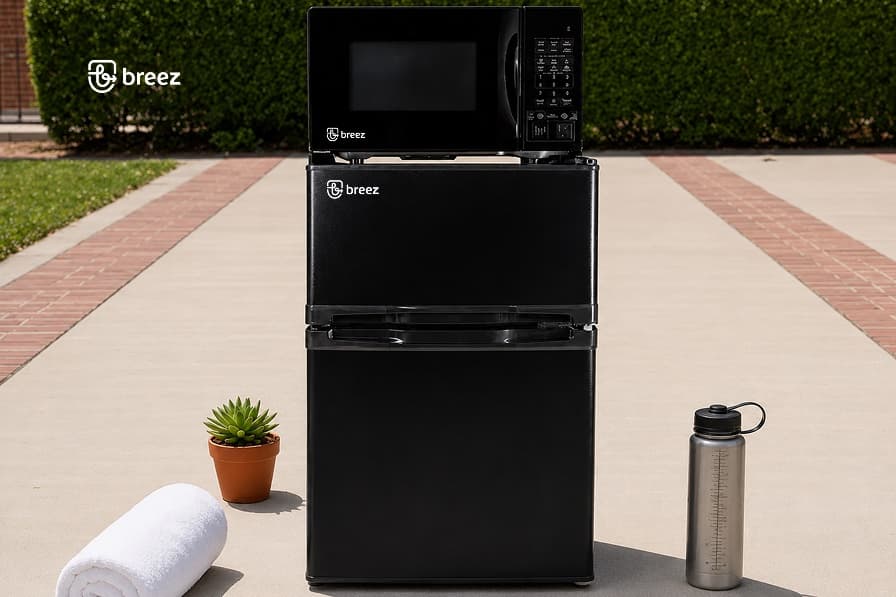
A true dorm combo unit is not just a microwave sitting on top of a mini-fridge.
It is an engineered appliance system specifically designed for student housing, tight spaces, and strict dorm electrical requirements.
The right combo unit saves space, reduces stress, and helps students avoid housing violations during move-in.
The wrong setup can trip breakers, violate university rules, and create a frustrating living situation all year long.
Before you commit, here’s everything students and parents should know about fridge microwave combos for dorm life.
Why Dorm Rooms Need Appliance Efficiency
Dorm space is brutally limited.
Every item has to earn its place.
That’s why combo appliances matter so much.
A properly designed fridge microwave combo essentially “pays rent” by combining:
- Food storage
- Freezer space
- Microwave access
- Compact organization
- Safe power management
Into one footprint.
That matters when students are trying to maximize floor space while still having access to late-night meals, snacks, and basic cooking convenience.
For many students, this becomes the single most-used appliance in the entire room.
Why Stacking Appliances Is Not the Same as a True Combo Unit
This is where many students make a costly mistake.
They assume buying a random mini-fridge and placing a microwave on top creates the same experience.
It does not.
The Internal Power Management Difference
Most dorms limit students to one heavy appliance because residence hall electrical systems are sensitive.
True fridge microwave combos use something called Internal Power Management (IPM).
Here’s how it works:
When the microwave turns on, the refrigerator temporarily pauses power usage for a few seconds.
This prevents overloaded circuits and reduces the risk of tripping breakers.
To students, it looks seamless.
But internally, the appliance is carefully balancing electrical demand.
A random fridge-and-microwave pairing from Amazon cannot do this.
That is why many universities only approve specific combo models for residence halls.
Why Dorms Care So Much About Electrical Safety
Older dorm buildings were not designed for modern electrical loads.
Students now arrive with:
- Laptops
- Gaming systems
- TVs
- Charging stations
- Hair tools
- Coffee makers
- Appliances
All competing for a limited number of outlets.
That is why housing departments take appliance compliance seriously.
Using separate appliances connected through cheap power strips or extension cords can create serious fire hazards.
According to the National Fire Protection Association (NFPA), overloaded outlets and improper extension cord usage remain common causes of residential electrical fires.
This is also why Resident Assistants frequently flag non-approved appliance setups during inspections.
The Specs That Actually Matter Before You Buy
Most students focus on appearance first.
That is the wrong strategy.
Here are the specs that truly matter for dorm living.
1. The Ideal Size Range
For most dorm rooms, the sweet spot is:
2.9 to 3.1 cubic feet
Why?
Because these units are typically designed to:
- Fit under lofted dorm beds
- Stay within housing guidelines
- Provide enough food storage without overwhelming the room
Anything larger can become difficult to fit comfortably into shared spaces.
2. True Freezer vs. Chiller Compartment
Not all “freezers” are actual freezers.
Many cheaper mini-fridges only include chiller compartments that:
- Barely keep items cold
- Melt ice cream
- Create inconsistent temperatures
A true zero-degree freezer compartment actually maintains frozen temperatures properly.
Students who plan to store frozen meals should pay close attention to this feature.
3. The One-Plug Requirement
This is the holy grail of dorm compliance.
The best combo units use:
- One shared power cord
- One outlet
- Integrated power management
If the microwave and fridge require separate plugs, the unit may not meet university housing policies.
Always verify this before purchasing.
Renting vs. Buying a Fridge Microwave Combo
Students typically debate three options:
- Rent
- Buy
- Borrow from older students
Each has pros and cons.
Why Many Students Choose Rentals
Campus-approved rental programs simplify the entire process.
With Breez, students receive:
- Delivery before move-in
- Dorm-approved appliance models
- Maintenance support
- Pickup at move-out
- Housing-compliant setups
That means students avoid hauling bulky appliances through crowded residence halls.
It also removes the stress of storing or reselling the appliance at the end of the school year.
When Buying Makes Sense
Students planning to live on campus for multiple years may consider ownership.
A high-quality combo unit can potentially last throughout college.
There is also the “senior hand-off” culture at many schools where older students sell appliances to underclassmen.
However, ownership still comes with:
- Transportation issues
- Repairs
- Storage
- Move-out logistics
For many students, the convenience of renting outweighs the long-term ownership savings.
The Fine Print Most Students Ignore
Housing departments often have very specific appliance rules.
Microwave Wattage Limits
Most universities cap microwaves between:
700 to 800 watts
Higher-powered units may violate dorm regulations because of electrical load concerns.
Always check your housing handbook before purchasing.
Energy Star Compliance
Many schools now prefer or require Energy Star-certified appliances.
This is not just about sustainability.
Energy-efficient appliances generate less heat, use less electricity, and reduce strain on older dorm systems.
How to Prevent the “Dorm Funk”
Shared dorm rooms develop smells quickly.
Between laundry, leftovers, and limited ventilation, appliances can become odor magnets fast.
Defrosting Mistakes Can Get Expensive
One of the biggest student mistakes?
Using knives or sharp objects to scrape freezer ice buildup.
This can puncture internal cooling lines and permanently damage the unit.
Some housing departments charge hundreds for appliance damage caused by improper defrosting.
Instead:
- Allow ice to melt naturally
- Use warm water carefully
- Wipe down regularly
Odor Prevention Is Essential
Two simple dorm essentials make a huge difference:
- Baking soda
- Charcoal odor absorbers
These help keep the refrigerator fresh while reducing food smells in shared sleeping spaces.
Your roommate will appreciate it.
The Smartest Dorm Setup Is the One That Creates Less Stress
A fridge microwave combo is about far more than cold drinks and ramen noodles.
It is about:
- Space efficiency
- Electrical safety
- Dorm compliance
- Convenience
- Reducing move-in stress
The right setup makes dorm life easier from day one.
The wrong setup creates headaches all year long.
Before move-in season arrives, check your university’s approved appliance list and secure a dorm-compliant combo unit early before inventory disappears during the August rush.
Explore verified Breez appliance options here.
Frequently Asked Questions
Can I charge my phone using the appliance?
Many modern fridge microwave combos include front-facing USB charging ports, making them especially convenient for dorm setups with limited outlets.
Does the unit come with a warranty?
Most units include standard manufacturer warranties, while rental programs like Breez often include ongoing maintenance support throughout the school year.
Will it fit under my dorm bed?
Most dorm-compliant combo units are specifically designed to fit under lofted beds, but students should always verify dimensions with their housing setup before move-in.
Is it loud enough to wake my roommate?
Modern compressors are significantly quieter than older models. Most dorm-approved combo units operate at low noise levels designed for shared living environments.
Keep reading
View all articles →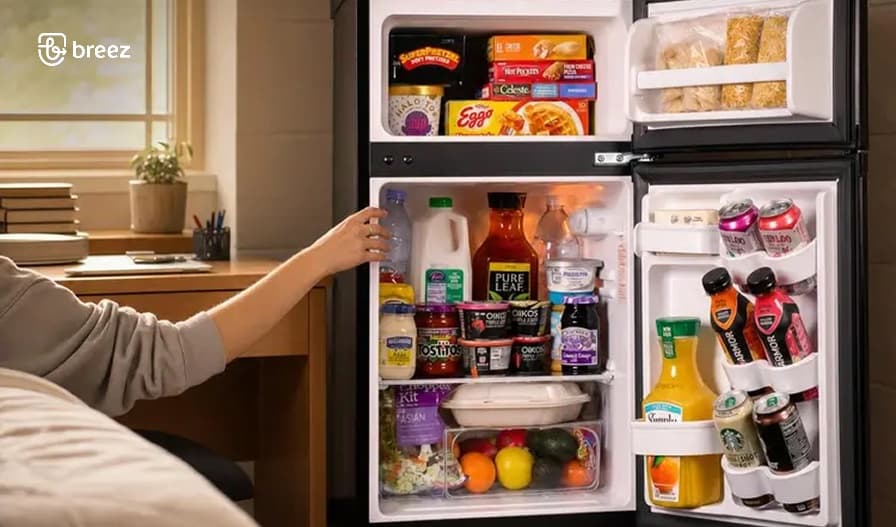
Microwave Fridge Combo Units: Are They Worth It for College Students, or Is There a Smarter Option?
If you have started shopping for dorm appliances, you have probably experienced the same moment of sticker shock. You search for a…
Read more
Appliances for Rental: Why More College Students Are Ditching the Buy-and-Haul Cycle
Every May, college towns across the country experience the same strange phenomenon. Sidewalks overflow with abandoned mini-fridges. Microwaves pile up next to…
Read more
College Apartment Essentials: The Smart Renter’s Checklist for Your First Place Off Campus
Moving off campus feels like freedom. More space. No resident assistants. No communal bathrooms. No dorm rules taped to the wall. But…
Read more